April 22, 2026
Electrical systems are one of the most critical infrastructure components in any home or commercial property, yet they are also among the most dangerous when handled improperly. Even minor mistakes in wiring, load distribution, or circuit handling can escalate into serious hazards that threaten both property and personal safety. This is why relying on a trained professional is not a matter of preference but a matter of risk management and long-term protection.
According to Electrical Technology, professionals in this field routinely work with high voltage systems that can exceed 600 volts, underscoring the serious nature of the discipline and the level of expertise required to manage it safely. This reality highlights why electrical work should never be approached casually or treated as a basic home improvement task. A qualified electrician ensures that systems are not only functional but also safe, efficient, and compliant with regulations that exist to prevent accidents and long-term damage.
Why Electrical Safety Demands Professional Expertise
Understanding the Risks Behind Electrical Systems
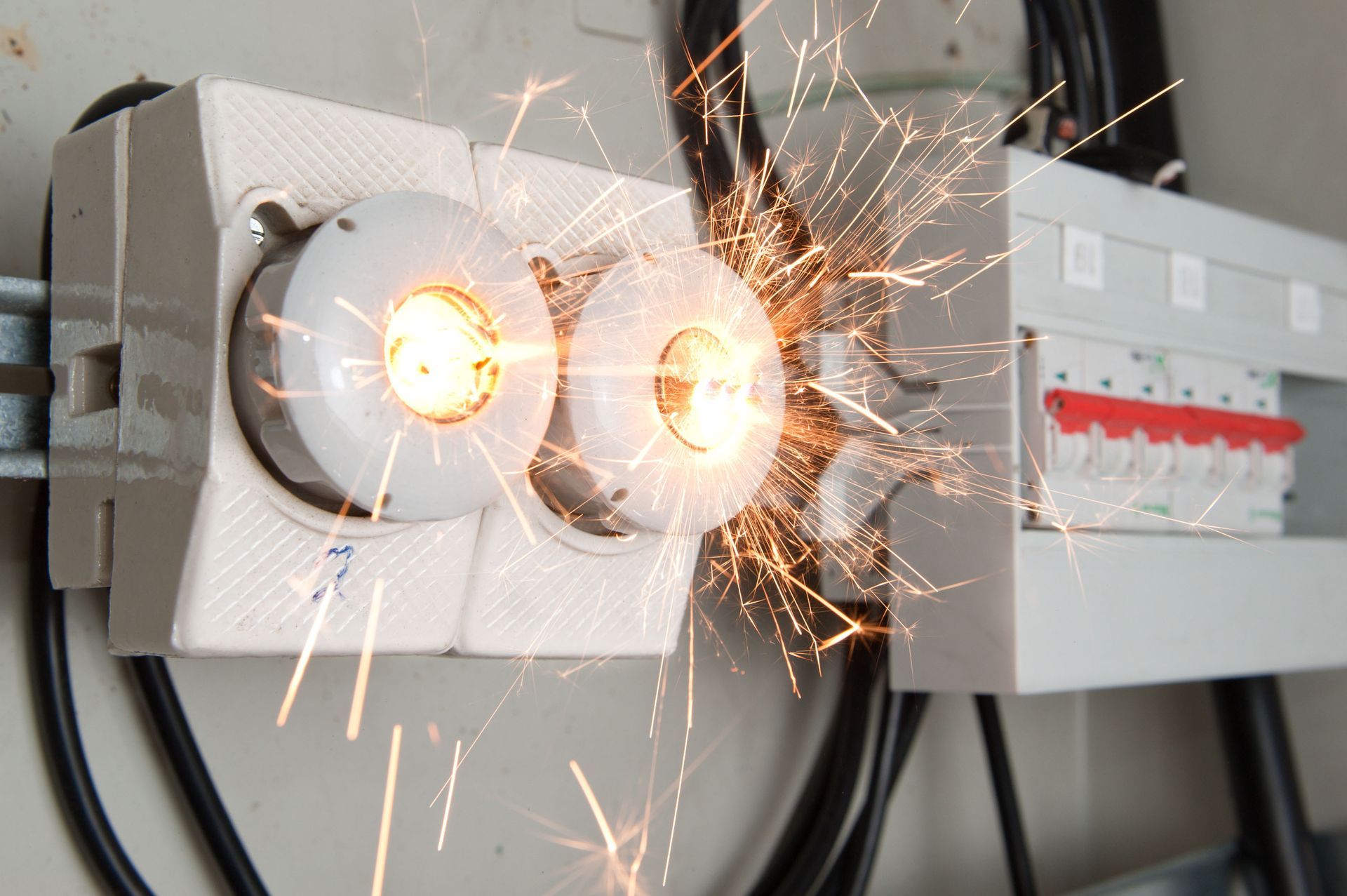
Common electrical systems carry inherent risks that are not always visible to property owners. Wiring can degrade over time, circuits can become overloaded, and hidden faults can develop behind walls or within panels. These issues often remain unnoticed until they manifest as outages, shocks, or even fires.
An electrical professional is trained to identify early warning signs that would typically go unnoticed by someone without formal training. Their ability to assess risk at both a macro and micro level ensures that potential failures are addressed before they escalate into emergencies. This preventive approach is one of the most important aspects of electrical safety.
In environments where electrical demand fluctuates or where older infrastructure is still in place, the likelihood of system stress increases significantly. Without proper evaluation, these conditions can create dangerous imbalances that compromise the entire system.
A trained electrician brings a structured methodology to diagnosing and resolving these risks, ensuring that each component of the system operates within safe parameters. This reduces both immediate hazards and long-term deterioration.
High Voltage Exposure and Professional Responsibility
One of the most significant dangers in electrical work is exposure to high-voltage systems. Handling such systems requires precision, knowledge of protective protocols, and strict adherence to safety procedures. Even brief contact with energized components can result in severe injury or fatal outcomes.
In fact, professionals in this field routinely manage systems operating above 600 volts, as noted by Electrical Technology. This level of electrical intensity is not compatible with guesswork or informal experience. It demands structured training and certification that ensures the individual understands how to work safely under high-risk conditions.
A licensed electrician is trained to de-energize systems properly, verify isolation, and use specialized equipment designed for high voltage environments. These safeguards are not optional but essential components of safe practice.
Without this level of expertise, individuals attempting electrical work place themselves and others at serious risk. The responsibility carried by a professional in this field extends beyond technical skill and includes strict accountability for safety outcomes.
Compliance, Standards, and System Integrity
Code Compliance as a Safety Foundation
Electrical codes exist to establish minimum safety standards for all installations and repairs. These regulations are developed to reduce the risk of fire, shock, and system failure. Compliance is not optional, and failure to adhere to these standards can result in significant legal and safety consequences.
A licensed electrical expert is required to understand and apply these codes in every aspect of their work. This includes everything from wire sizing and circuit protection to grounding and load calculations. Their adherence to these standards ensures that systems are built to withstand both current and future demands.
Code compliance also plays a critical role in insurance and liability coverage. Properties that fail to meet electrical standards may face denied claims or increased risk exposure in the event of damage. Ensuring compliance protects both property owners and occupants.
In addition to national and local codes, professional contractors often follow internal quality standards that exceed baseline requirements. This commitment to higher standards contributes to long-term system reliability and safety.
System Design and Load Management Principles
Proper electrical system design is essential for maintaining balanced load distribution across circuits. When systems are improperly designed or overloaded, the risk of overheating and component failure increases significantly.
A trained electrician evaluates the total electrical demand of a property and designs systems that can handle both current and anticipated usage. This includes calculating load capacity, distributing circuits efficiently, and ensuring that protective devices are correctly rated.
Load management is particularly important in properties with high energy demand or multiple large appliances operating simultaneously. Without proper planning, these systems can become unstable and prone to frequent tripping or damage.
An experienced electrical professional ensures that each circuit is configured to operate within safe limits, reducing strain on the overall system. This not only improves safety but also enhances efficiency and system longevity.
Professional Electrical Services and Long-Term Value
Comprehensive Residential and Commercial Solutions
A full-service electrical contractor provides a wide range of solutions designed to meet the needs of both residential and commercial properties. These services include system repairs, panel upgrades, new construction wiring, and complete rewiring for older buildings.
A licensed electrician is trained to handle each of these tasks with precision, ensuring that all work meets safety and performance standards. Whether addressing minor issues or executing large-scale installations, their role is to maintain system integrity at every stage.
For example, panel upgrades are often necessary when existing systems can no longer support modern electrical demand. Without proper upgrades, overload conditions can develop, increasing the risk of system failure. A qualified professional ensures that these transitions are handled safely and efficiently.
Similarly, whole-home rewiring projects require extensive planning and execution. These projects involve replacing outdated wiring systems with modern configurations that improve safety and capacity. A skilled electrical expert manages this process with minimal disruption while maintaining strict adherence to safety protocols.
Specialized Installations and Modern Energy Demands
Modern properties often require specialized electrical installations to support evolving energy needs. This includes systems such as EV charging stations, backup generators, and electric water heaters. Each of these installations requires precise configuration to ensure safe and reliable operation.
An experienced electrician evaluates property requirements and designs systems that integrate these components effectively. This ensures that new installations do not overload existing infrastructure or create imbalances within the system.
Generator installations, for instance, require careful planning to ensure seamless power transition during outages. Improper setup can lead to dangerous back-feeding or system conflicts. A qualified professional eliminates these risks through proper design and installation.
Electric vehicle charging systems also require dedicated circuits and load management considerations. Without proper installation, these systems can strain household or commercial electrical capacity. A trained electrician ensures that all components are correctly configured for safe operation.
Electrical systems require a level of precision and accountability that cannot be compromised. From installation to maintenance and repair, every stage of electrical work carries inherent risks that must be managed with professional expertise. Relying on a qualified electrician ensures that systems are built and maintained to meet strict safety standards while supporting long-term performance. Their training, experience, and adherence to code requirements provide a level of protection that is essential for both residential and commercial properties. To work with an electrical expert who prioritizes safety, contact Cummings Inc!