September 25, 2026
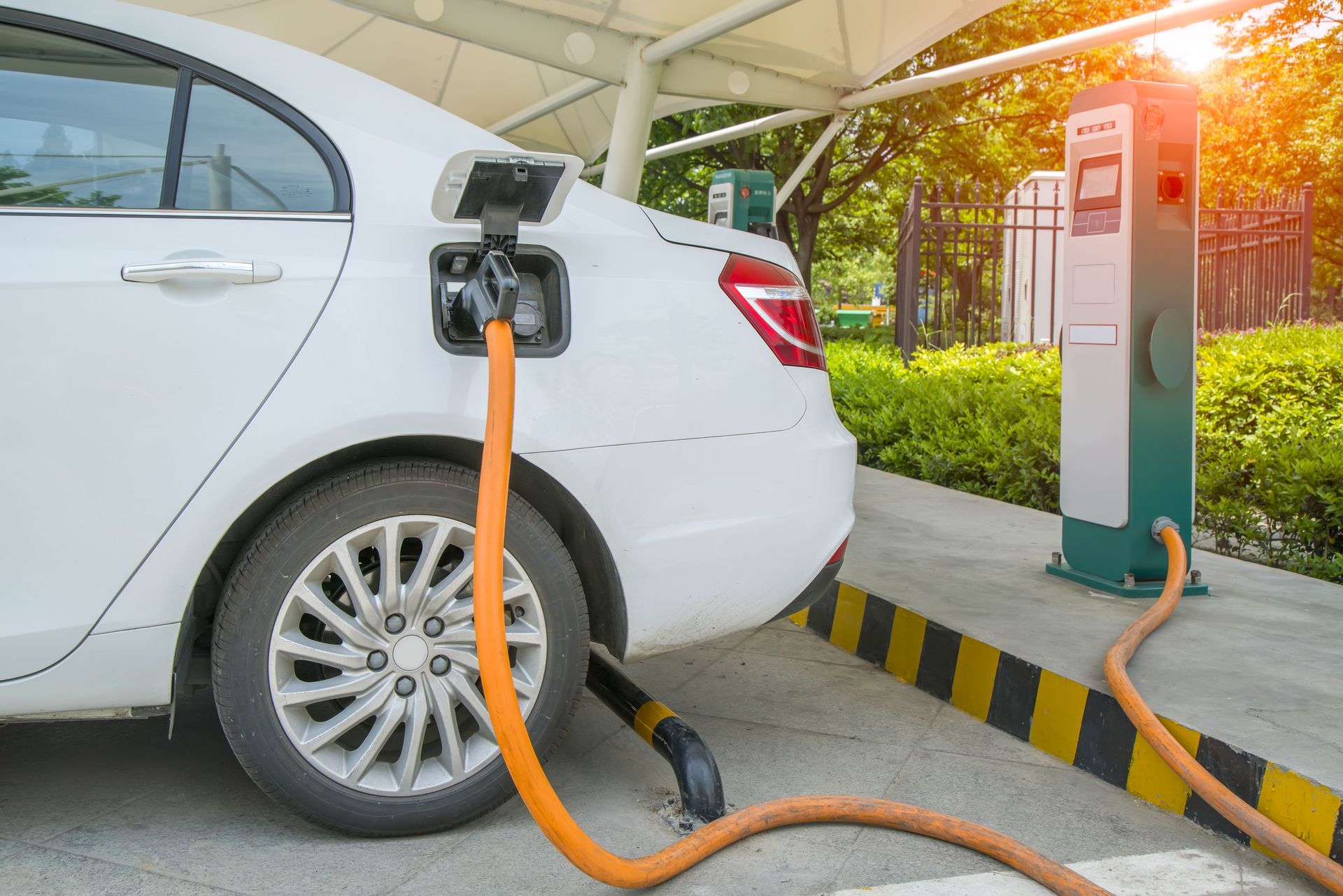
Transitioning to electric mobility is an exciting venture that brings clean power and convenience right to your driveway. Adding a dedicated power setup at home transforms daily driving habits by eliminating the constant need to search for open public infrastructure. However, completing a successful equipment setup requires careful thought and clear planning before any work begins. A proper preparation process ensures that your home infrastructure supports your vehicle without technical issues or unexpected operational delays. Asking the right queries early in the project helps clarify what equipment is necessary and how your current home setup handles the additional electrical load. Incorporating a home EV charging station demands attention to details ranging from panel capacity to long-term usage habits.
Proper planning also guarantees that your property remains safe, compliant with municipal building codes, and ready for future technological advancements. Many homeowners dive into electric vehicle ownership without fully evaluating how their residential power system interacts with high-demand hardware. Taking time to assess your needs, review local regulations, and understand installation steps will streamline the entire project. By systematically evaluating your electrical infrastructure, parking layout, and daily routine, you set the stage for a seamless equipment deployment.
1. What Capacity Does Your Existing Electrical Panel Support?
The electrical panel serves as the central hub for every appliance and device operating throughout your home. Before adding high-capacity equipment, you must evaluate whether your current panel has sufficient room and amperage to handle the continuous draw. Many older structures were built with electrical systems intended for modest domestic power consumption, which may struggle under the demands of modern high-power vehicle equipment. An expert evaluation of your main breaker box will determine if an overall panel upgrade or subpanel addition is required before proceeding. Understanding panel capacity upfront prevents overloaded circuits, frequent breaker trips, and potential safety hazards during routine power delivery cycles.
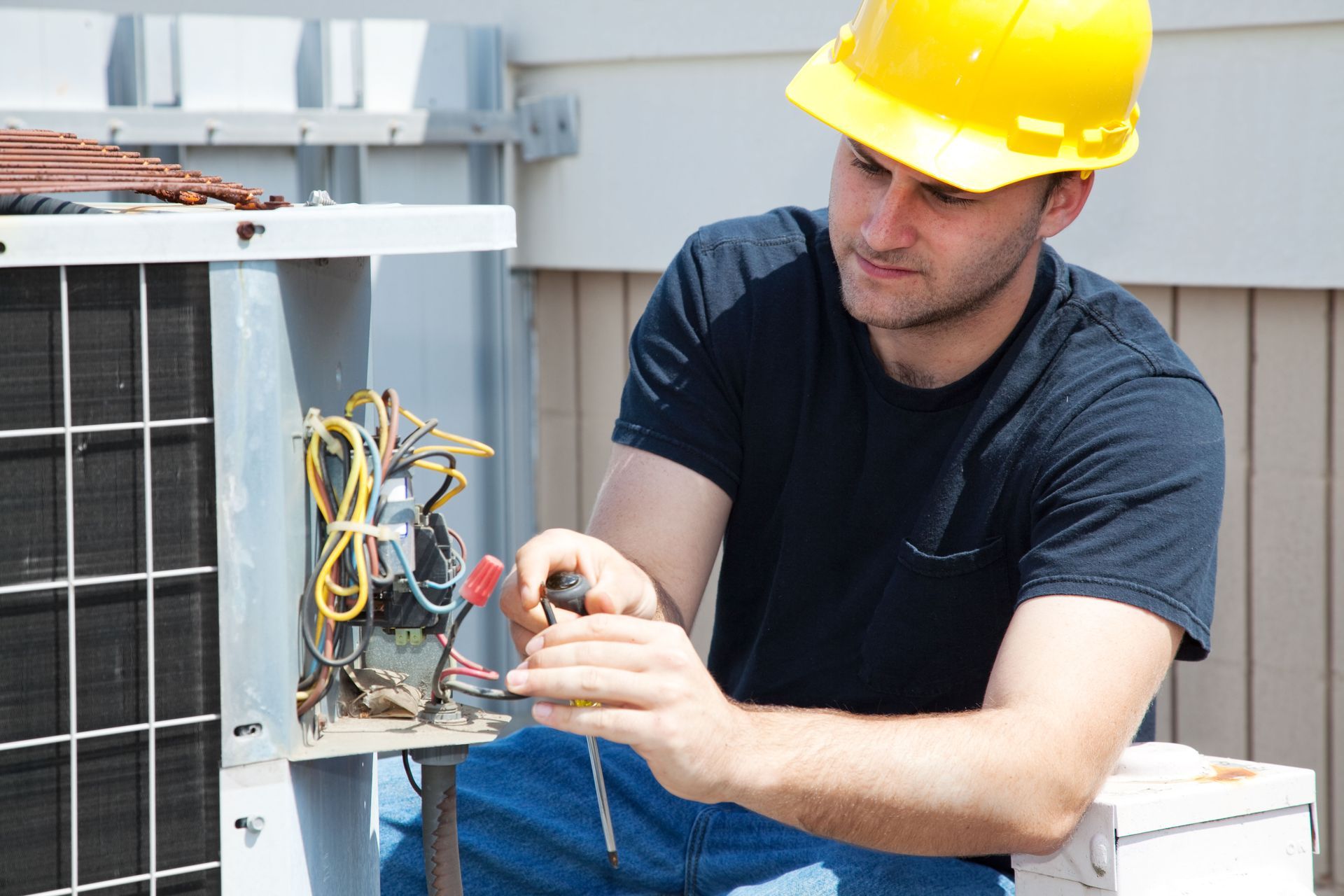
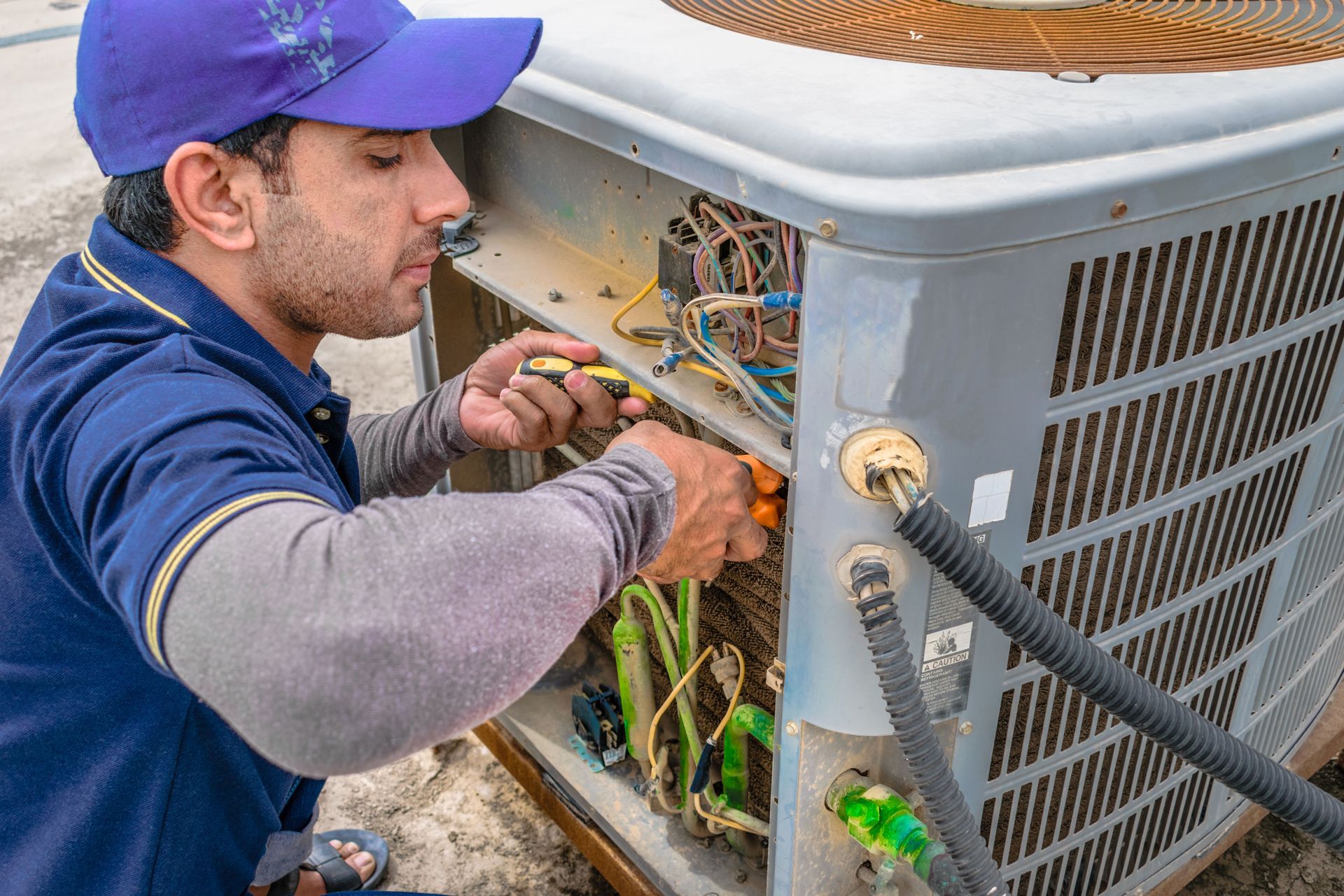
In addition to raw capacity, you must consider the existing electrical load generated by major household appliances like air conditioners, water heaters, and heavy kitchen equipment. When multiple high-demand devices run concurrently with your vehicle power setup, total household consumption can approach maximum safe operational thresholds. Installing a dedicated EV charging station requires calculated load assessments to ensure balanced energy distribution across all household circuits. Professional electricians perform comprehensive load calculations to evaluate peak usage patterns and determine the safest path forward. If your existing panel lacks adequate remaining capacity, retrofitting the service panel or integrating intelligent load management devices will keep your system running safely and efficiently.
2. Which Specific Location Will Host the Hardware Setup?
Selecting the ideal location for your equipment involves balancing physical convenience, protection from environmental elements, and proximity to your main service panel. Garages offer natural shelter from severe weather, keeping connections dry and operational components protected from extreme temperature swings. However, outdoor installations along exterior walls or near driveways remain popular alternatives when garage space is limited or unavailable. The chosen spot must allow the connector cable to reach your vehicle port comfortably without stretching, pulling, or creating trip hazards across walkways. Positioning the hardware closer to your main panel can also simplify conduit routing and structural modifications during the deployment phase.
According to the Pew Research Center, 60% of urban residents reside under a mile from a public charger, compared to 41% of suburban dwellers. While public options are becoming more prevalent, having a dedicated EV charging station right at your primary residence eliminates reliance on external infrastructure. Evaluating your daily parking orientation—whether you back into the garage or pull in forward—ensures that the mounting position aligns perfectly with your vehicle design. Additionally, ensuring proper wall structural support and maintaining clear clearance around the equipment facilitates safe operation and effortless daily handling for years to come.
3. What Daily Driving Requirements Must the System Meet?
Your daily commute and driving patterns directly influence the performance requirements of your home power setup. Drivers with lengthy daily commutes require equipment capable of replenishing battery range quickly during overnight downtime. Conversely, vehicles used primarily for short local errands may only require basic power restoration over extended periods. Understanding your typical daily mileage helps determine the exact power delivery rate needed to keep your vehicle ready every morning. Evaluating these usage habits prevents you from selecting equipment that is underpowered for your daily lifestyle or unnecessarily complex for modest travel routines.
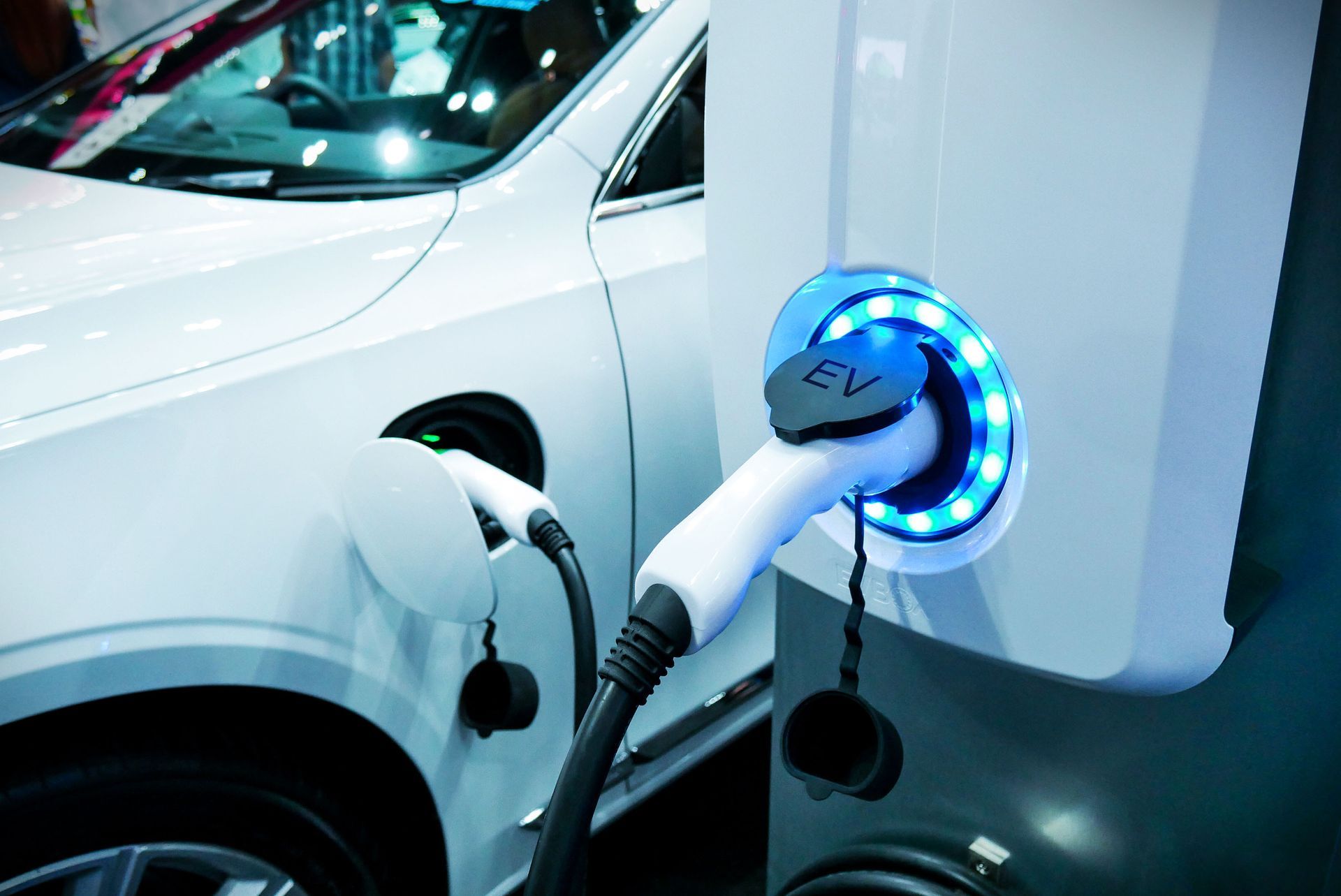
Vehicle battery size and internal receiver limits also dictate how fast power transfers from the wall unit into the vehicle. Setting up an EV charging station tailored specifically to your vehicle specifications ensures optimal energy delivery without straining internal components. It is essential to match the output capability of the wall equipment with the maximum acceptance rate of your vehicle model. Taking time to analyze driving habits, battery capacity, and typical dwell time at home guarantees that your hardware delivers seamless performance tailored precisely to your personal mobility demands.
4. How Will Local Permitting Guidelines Affect Your Timeline?
Navigating municipal codes, building permits, and safety compliance standards is a critical step in any home electrical project. Most local building authorities require formal permits and official inspections prior to and following high-voltage electrical installations. Obtaining proper permits ensures that all work adheres strictly to regional safety standards and national electrical code regulations. Skipping mandatory permitting procedures can lead to compliance issues, complications during future property sales, or potential coverage challenges in the event of hardware failure. Working alongside certified professionals ensures that all documentation is submitted correctly and approved by local building officials.
Proper compliance also protects your residential property value and gives you confidence that every component meets rigorous safety criteria. Local utility companies may also have specific interconnection guidelines or standard operational requirements for residential hardware connections. Integrating an EV charging station into your home demands full alignment with local municipal standards to guarantee safe long-term operation. Experienced contractors handle the permit application process, schedule required municipal inspections, and ensure that every aspect of the project meets or exceeds local code mandates.
5. What Long-Term Upgrade Options Should You Plan For?
Technological advancements in clean transportation continue to evolve at a rapid pace, making future-proofing an essential consideration during installation. Even if your household currently operates a single electric vehicle, planning for multiple vehicles down the road saves significant effort later. Installing larger conduit or running extra-capacity wiring during initial construction makes adding secondary equipment in the future far simpler. Anticipating future transportation needs ensures that your property infrastructure adapts smoothly to technological advancements and changing household driving demands without requiring complete system overhauls.
Smart features such as internet connectivity, schedule automation, and remote monitoring tools are rapidly becoming standard in modern energy management. Selecting hardware capable of receiving firmware updates and integrating with smart home energy monitors keeps your setup modern and efficient. Planning ahead ensures that your home infrastructure remains adaptable, scalable, and fully prepared to support next-generation battery technology as clean transportation methods continue to expand across the region.
Preparing your property for high-efficiency electric vehicle power delivery requires thoughtful consideration of electrical panel capacity, physical placement, local codes, and long-term operational goals. Addressing these primary questions prior to beginning work ensures a smooth transition to residential power convenience while protecting your electrical infrastructure. A well-planned installation provides safe, seamless daily operation that perfectly aligns with your personal commuting routine and property layout.
Having a dedicated EV charging station transformed into a seamless part of your daily home routine brings unmatched convenience and reliability. If you are ready for a professional electrical installation, contact us at Cummings Inc today. We will help you select, position, and install the perfect equipment for your residential property.