August 12, 2026
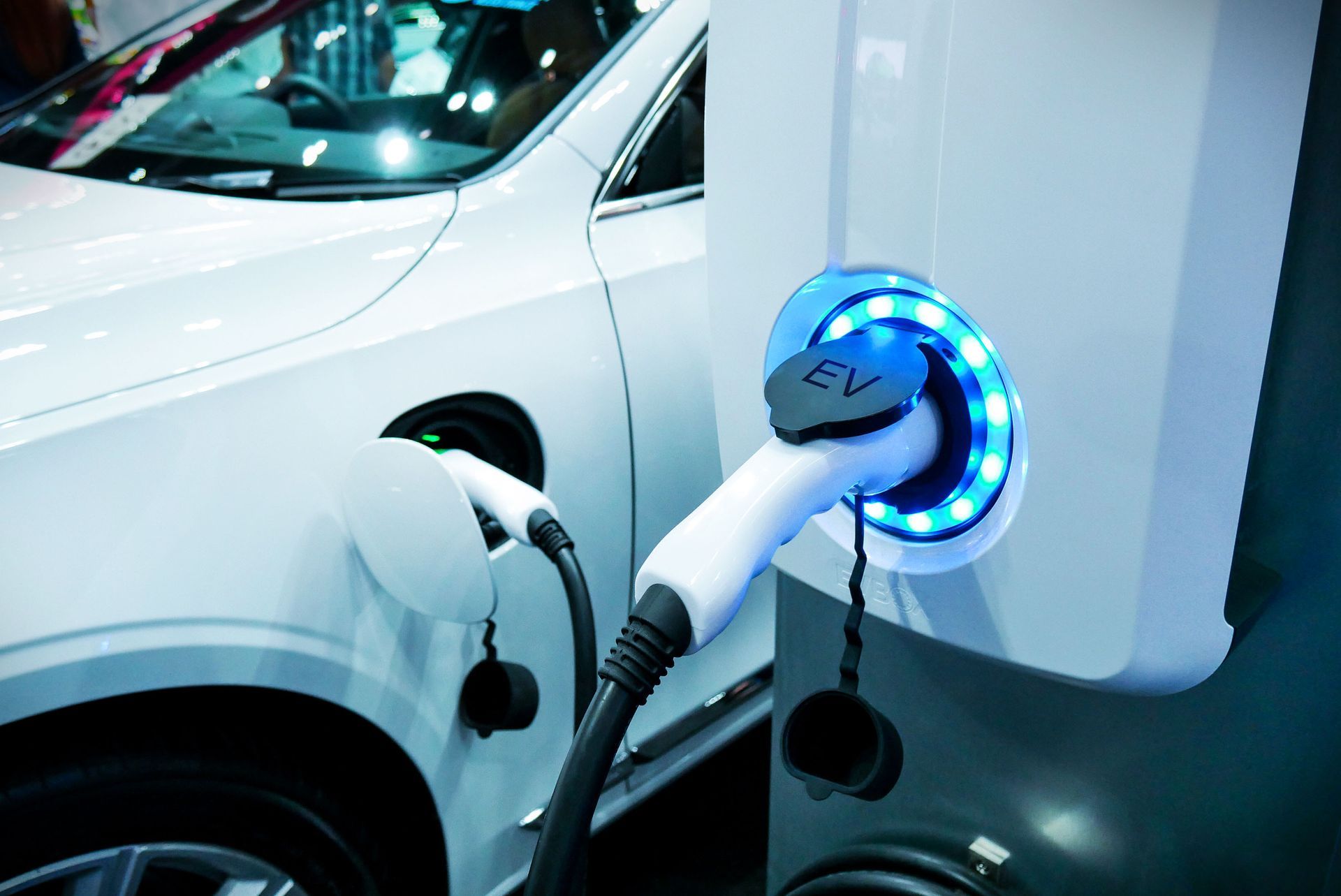
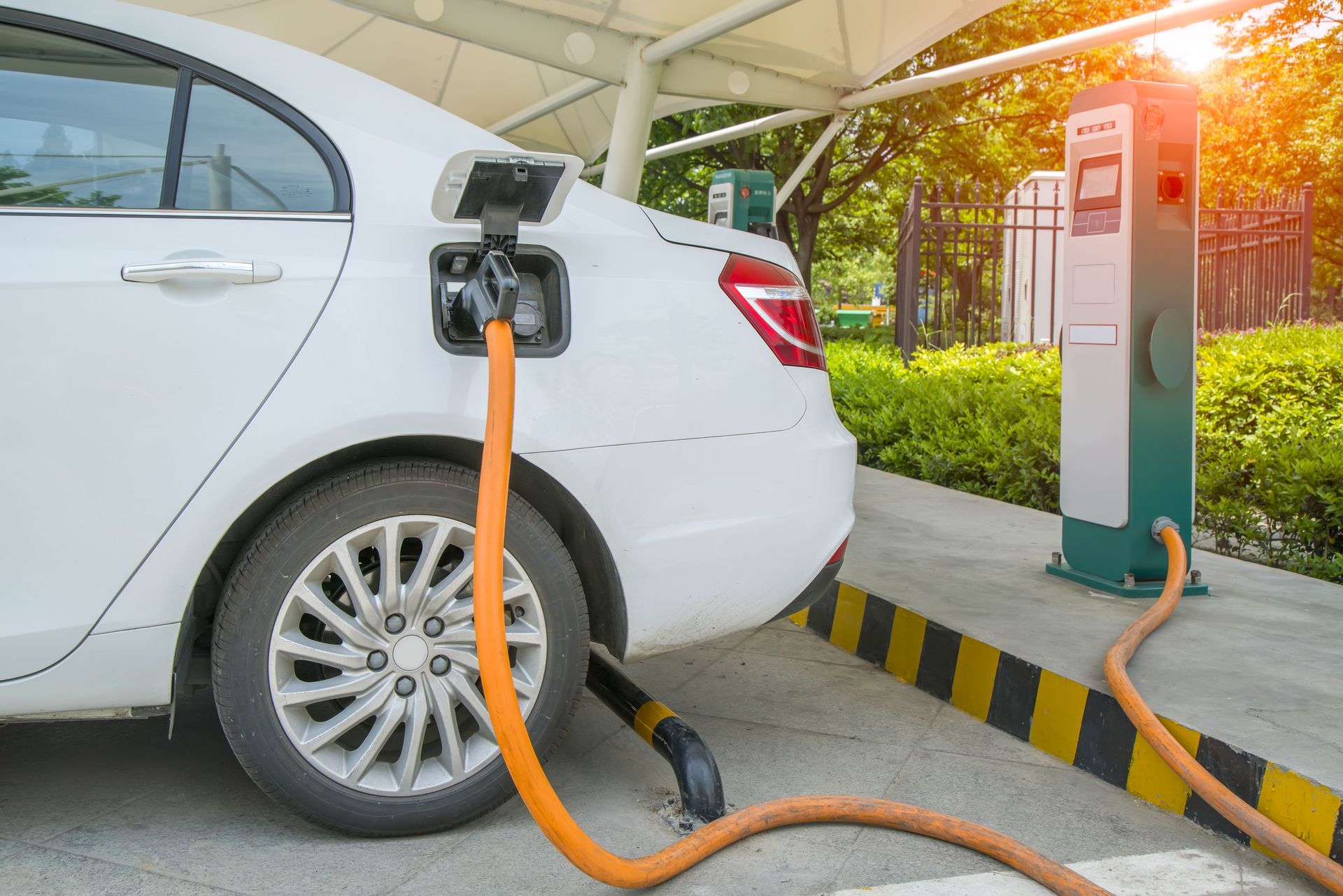
As electric vehicles continue to gain popularity, property owners are increasingly faced with the need to adapt their spaces to support modern transportation demands. Whether managing a commercial property, multi-unit housing, or a private residence, the ability to accommodate electric vehicles is quickly becoming an important consideration. Installing an EV charging station is no longer just a forward-thinking upgrade—it is becoming an essential feature that supports convenience, efficiency, and long-term property value.
For busy property owners, understanding how to approach EV charging can feel overwhelming at first. There are decisions to make about placement, capacity, accessibility, and ongoing management. However, with the right planning and professional support, integrating an EV charging station can be a streamlined and highly beneficial process. Taking the time to understand the key elements involved helps ensure that the installation meets both current needs and future demand.
According to the Pew Research Center, there were more than 61,000 publicly accessible EV charging stations in the United States as of February 2024, more than doubling from approximately 29,000 stations in 2020. This rapid growth highlights the increasing demand for charging infrastructure and underscores why property owners are prioritizing these upgrades. As the number of electric vehicles continues to rise, the need for accessible charging solutions will only become more significant.
We’ve seen how proper planning and professional execution can simplify the process of adding EV charging capabilities. Here is a complete guide to EV charging for busy property owners and how each consideration supports efficiency, usability, and long-term success. With a structured approach, property owners can confidently move forward with upgrades that align with both operational needs and user expectations.
Understanding EV Charging Infrastructure Needs
Evaluating Property Requirements
The first step in planning for an EV charging station is understanding the specific needs of the property. This includes considering the number of users, parking layout, and available electrical capacity. Each property has unique requirements, and evaluating these factors ensures that the installation is both practical and effective. A detailed assessment also helps identify any potential limitations that may need to be addressed before installation begins.
Assessing Electrical Capacity
Electrical systems must be capable of supporting the additional load required for EV charging. A professional assessment helps determine whether upgrades are needed to accommodate the installation. Proper planning ensures reliable performance and prevents potential issues.
Determining Usage Patterns
Understanding how often and when charging will occur is essential for selecting the right system. Properties with high traffic may require multiple units or higher-capacity solutions, while smaller properties may need fewer resources.
Planning for Future Expansion
As EV adoption continues to grow, demand for charging is likely to increase. Designing a system with scalability in mind allows property owners to expand their infrastructure without significant disruptions later. This forward-thinking approach supports long-term flexibility and ensures that the system remains relevant as needs evolve.
Selecting the Right Charging Equipment
Understanding Charging Levels
There are different types of charging systems, each offering varying speeds and capabilities. Choosing the right level depends on the property’s needs and the expected usage of the EV charging station. Faster charging options may be more suitable for commercial spaces, while standard options can meet residential needs.
Evaluating Equipment Features
Modern charging systems often include features such as smart connectivity, usage tracking, and access control. These features enhance convenience and allow property owners to manage their systems more effectively. Advanced features can also provide valuable insights into usage trends and performance.
Ensuring Compatibility With Vehicles
Compatibility is an important consideration when selecting equipment. Ensuring that the system works with a wide range of electric vehicles helps maximize usability and accessibility. This approach ensures that the system remains useful as vehicle technology continues to evolve.
Prioritizing Durability and Reliability
Charging equipment should be designed to withstand regular use and environmental conditions. Durable systems provide consistent performance and reduce the need for frequent maintenance.
Optimizing Placement and Accessibility
Choosing Strategic Locations
Placement plays a key role in the effectiveness of an EV charging station. Units should be located in areas that are easy to access while minimizing disruption to existing parking arrangements. Strategic placement improves usability and encourages consistent use.
Supporting User Convenience
Convenience is essential for encouraging use. Clear signage, accessible layouts, and well-marked spaces help ensure that drivers can easily locate and use charging stations. A user-friendly design enhances the overall experience and supports frequent use.
Maintaining Traffic Flow
Proper placement ensures that charging does not interfere with normal traffic patterns. This is particularly important in busy commercial or multi-unit properties. Maintaining smooth traffic flow helps prevent congestion and improves overall safety.
Enhancing Visibility and Safety
Well-lit and visible charging areas contribute to both safety and usability. Clear visibility helps users feel more comfortable while accessing the equipment. This also reduces the risk of accidents and supports a more secure environment.
Managing Costs and Return on Investment
Understanding Installation Costs
Installing an EV charging station involves costs related to equipment, electrical work, and labor. Understanding these expenses helps property owners plan effectively and avoid unexpected surprises.
Evaluating Long-Term Value
While initial costs may seem significant, EV charging infrastructure can provide long-term value by attracting tenants, customers, or buyers. This added appeal can enhance property competitiveness.
Exploring Incentives and Programs
Various programs and incentives may be available to support EV charging installations. These opportunities can help offset costs and make the investment more accessible. Taking advantage of available resources can significantly improve overall affordability.
Supporting Revenue Opportunities
In some cases, charging stations can generate revenue through user fees. This potential income stream can contribute to the overall return on investment. It also provides an opportunity to offset operational costs over time.
Ensuring Compliance and Safety Standards
Meeting Local Regulations
Installing an EV charging station requires compliance with local building codes and regulations. Working with experienced professionals helps ensure that all requirements are met. Compliance supports both safety and long-term reliability.
Adhering to Safety Guidelines
Safety is a critical consideration in any electrical installation. Proper design and installation help reduce risks and ensure reliable operation. This attention to detail helps protect both users and property infrastructure.
Coordinating Inspections and Approvals
Inspections are often required to verify that installations meet necessary standards. Coordinating these steps ensures a smooth and compliant process. Proper documentation also helps streamline future maintenance or upgrades.
Maintaining Ongoing Safety Practices
Regular maintenance and monitoring help ensure that the system continues to operate safely over time. This ongoing attention supports long-term reliability. Consistent oversight helps prevent minor issues from becoming major concerns.
Supporting Long-Term Operation and Maintenance
Monitoring System Performance
Tracking usage and performance helps property owners identify trends and address potential issues early. This proactive approach ensures consistent functionality. Data insights can also guide future expansion decisions.
Scheduling Routine Maintenance
Regular maintenance helps keep the EV charging station in optimal condition. Routine checks ensure that all components are functioning properly. This helps extend the lifespan of the system and maintain performance.
Addressing Wear and Tear
Like any equipment, charging systems may experience wear over time. Prompt attention to minor issues helps prevent larger problems and supports longevity. This approach helps maintain consistent service quality.
Planning for Future Upgrades
As technology evolves, upgrading equipment may become necessary. Planning for future improvements ensures that the system remains current and effective. Staying up to date with advancements helps maintain competitiveness.
Integrating EV charging into a property is a significant step toward modernizing infrastructure and meeting evolving transportation needs. From understanding requirements and selecting equipment to ensuring compliance and long-term maintenance, each aspect plays a role in creating a successful installation. Property owners who take a thoughtful and informed approach can achieve results that are both practical and forward-looking. This level of preparation helps ensure long-term success and usability.
By investing in EV charging solutions, property owners can enhance convenience, improve property value, and support the growing demand for electric vehicles. Careful planning and professional guidance help ensure that these systems deliver reliable performance and long-term benefits. As demand continues to grow, having the right infrastructure in place becomes an increasingly valuable asset.
If you’re ready to upgrade your property and support the future of transportation, contact Cummings Inc today to learn how a professionally installed EV charging station can provide lasting value and reliable performance for your property.