July 20, 2026
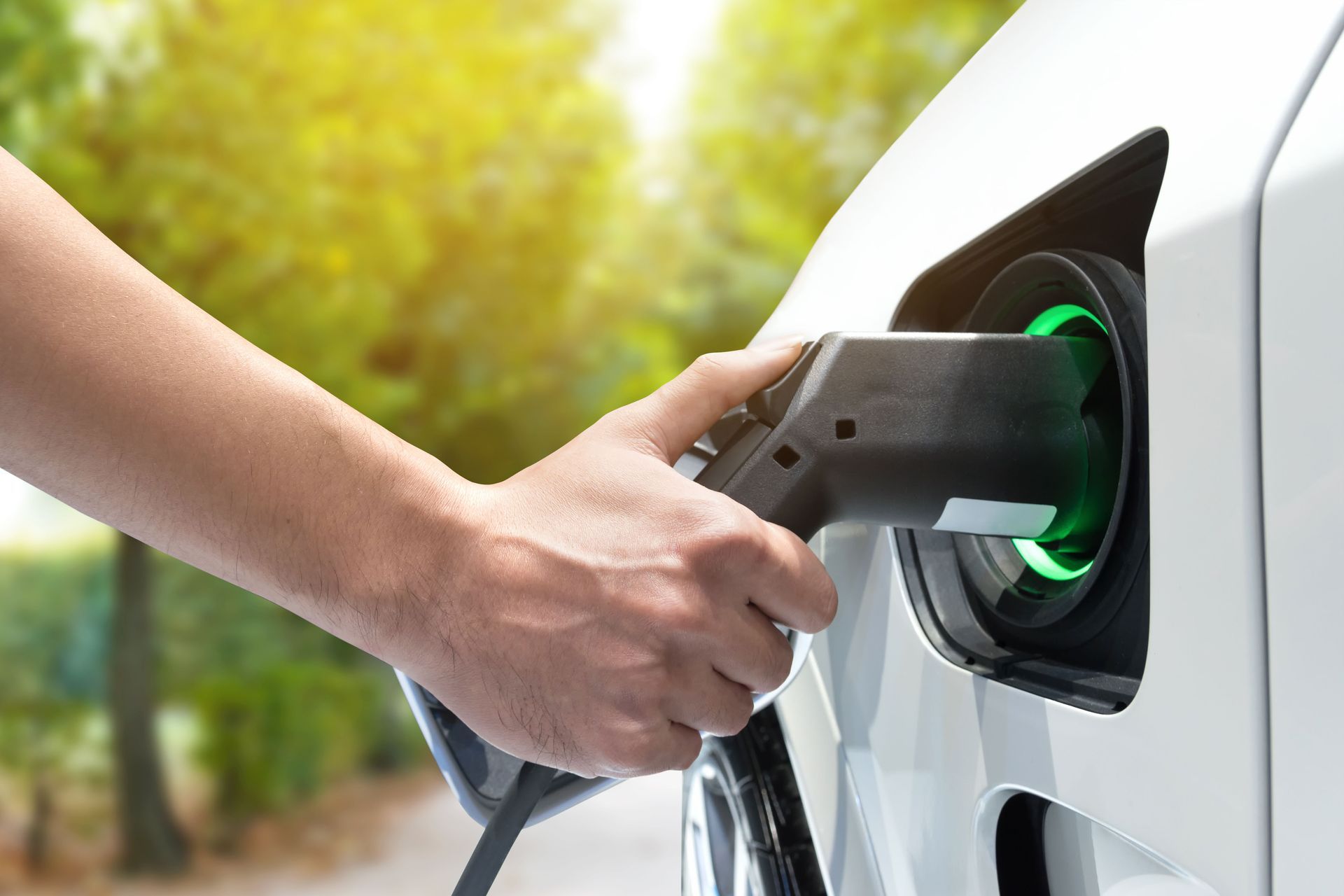
The adoption of electric vehicles is increasing, and the demand for convenient charging solutions continues to grow. Before installing EV charging stations, property owners should consider charger types, electrical capacity, costs, accessibility, permits, and long-term maintenance. Careful planning helps avoid delays, control expenses, and create a reliable experience for drivers. Evaluating the needs of employees, residents, customers, or visitors before selecting equipment can also help ensure the installation supports daily usage patterns.
1. Compare Charging Options
Level 1 chargers use a standard 120-volt outlet and are best suited for basic residential charging. They are affordable and simple to use, but they charge slowly, making them less practical for commercial or high-traffic locations.
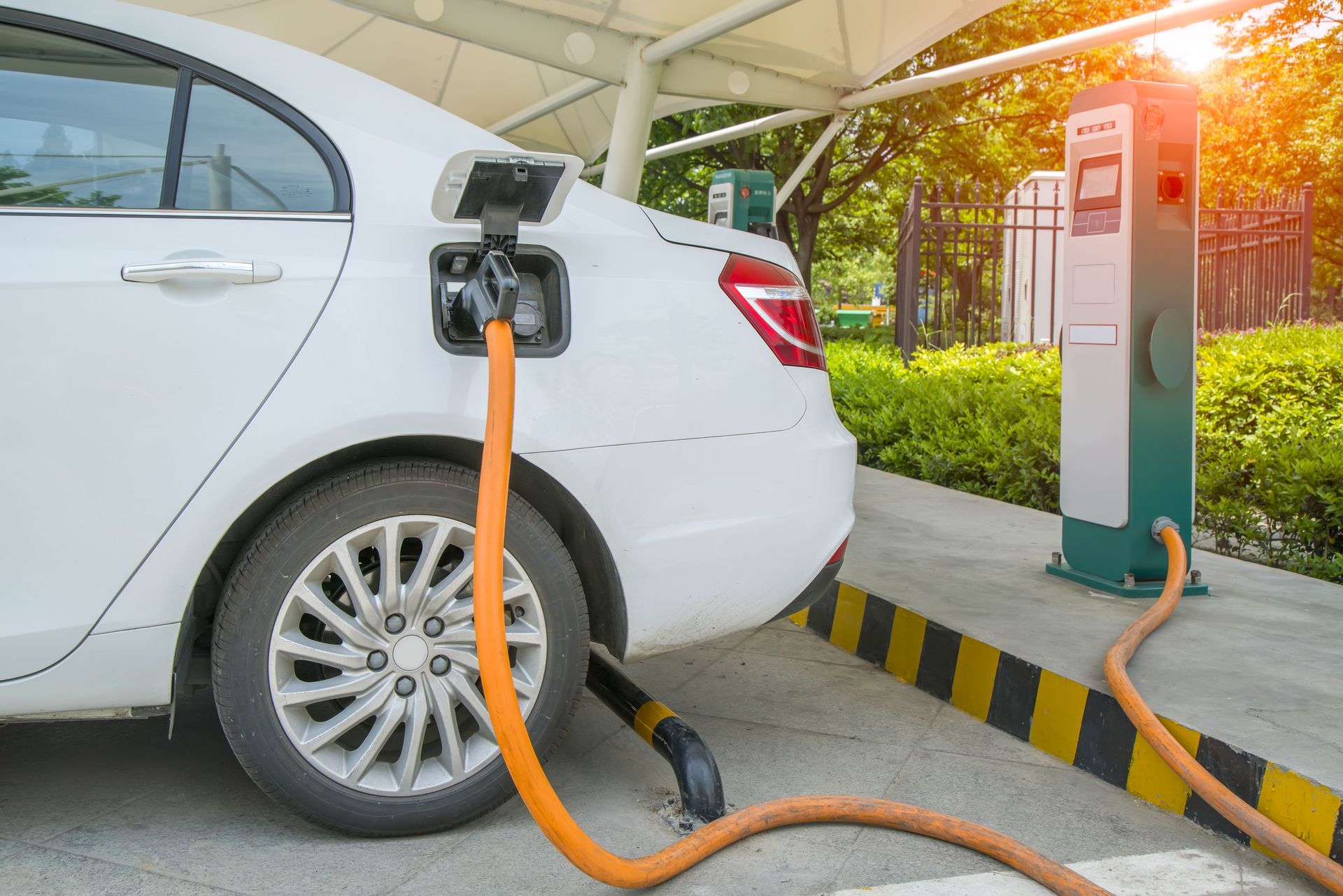
Level 2 chargers provide faster charging through a 240-volt connection. They are commonly used at workplaces, apartments, retail centers, and public parking areas because they balance speed, cost, and convenience. Their versatility makes them one of the most popular choices for properties that expect vehicles to remain parked for several hours.
DC fast chargers deliver the quickest charging experience and are often placed near highways or busy commercial areas. While they can attract more drivers, they also require higher installation costs and stronger electrical infrastructure.
2. Review Electrical Capacity
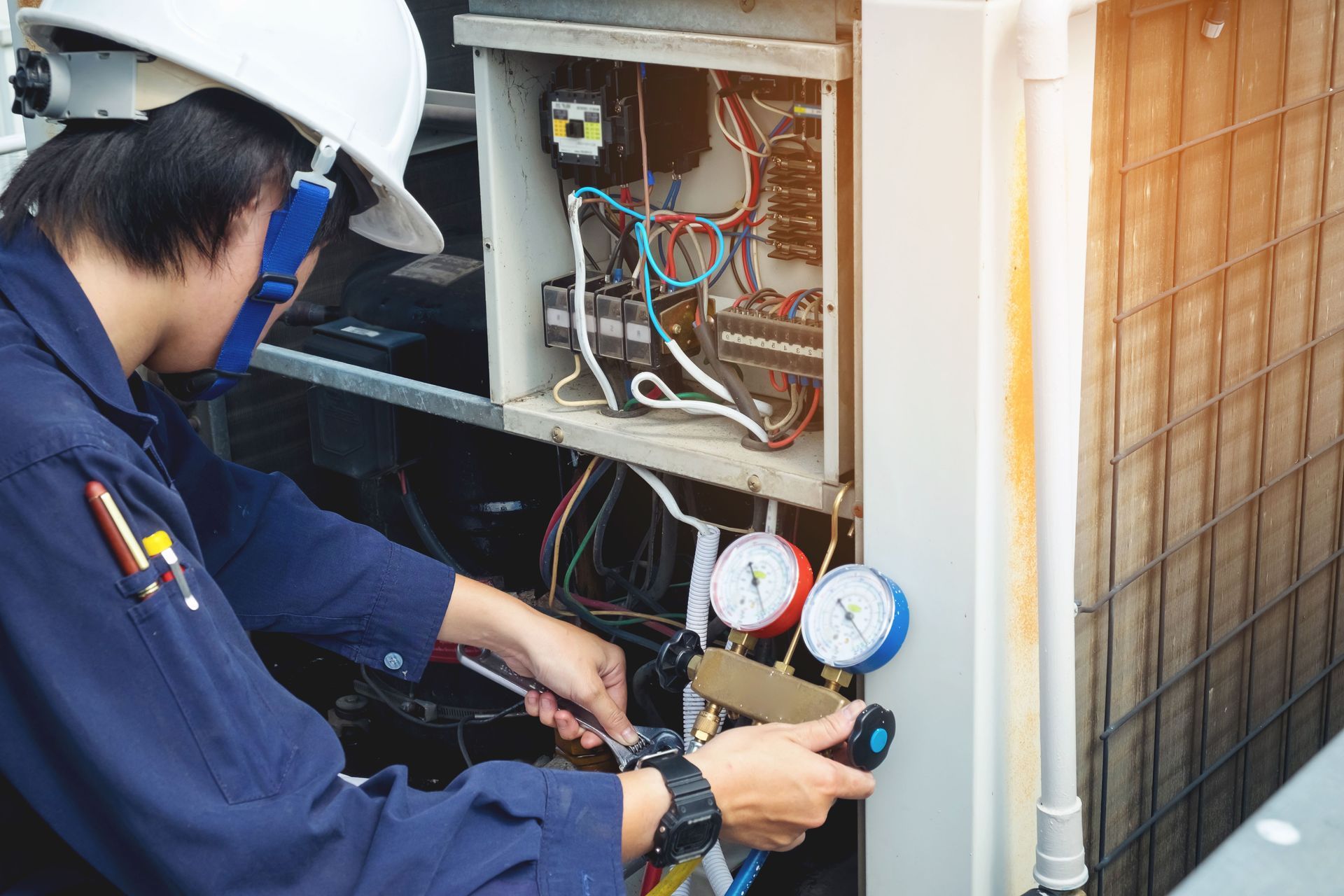
Before installing EV charging stations, a professional electrical assessment is essential. This review determines whether the property can support the added electrical load or needs upgrades such as new wiring, transformers, panels, or circuits.
Load capacity affects how many chargers can operate safely at one time. Planning ahead is especially important as EV use continues to rise. With the doubling of publicly accessible EV charging stations in the U.S. since 2020, properties should consider both current demand and future expansion.
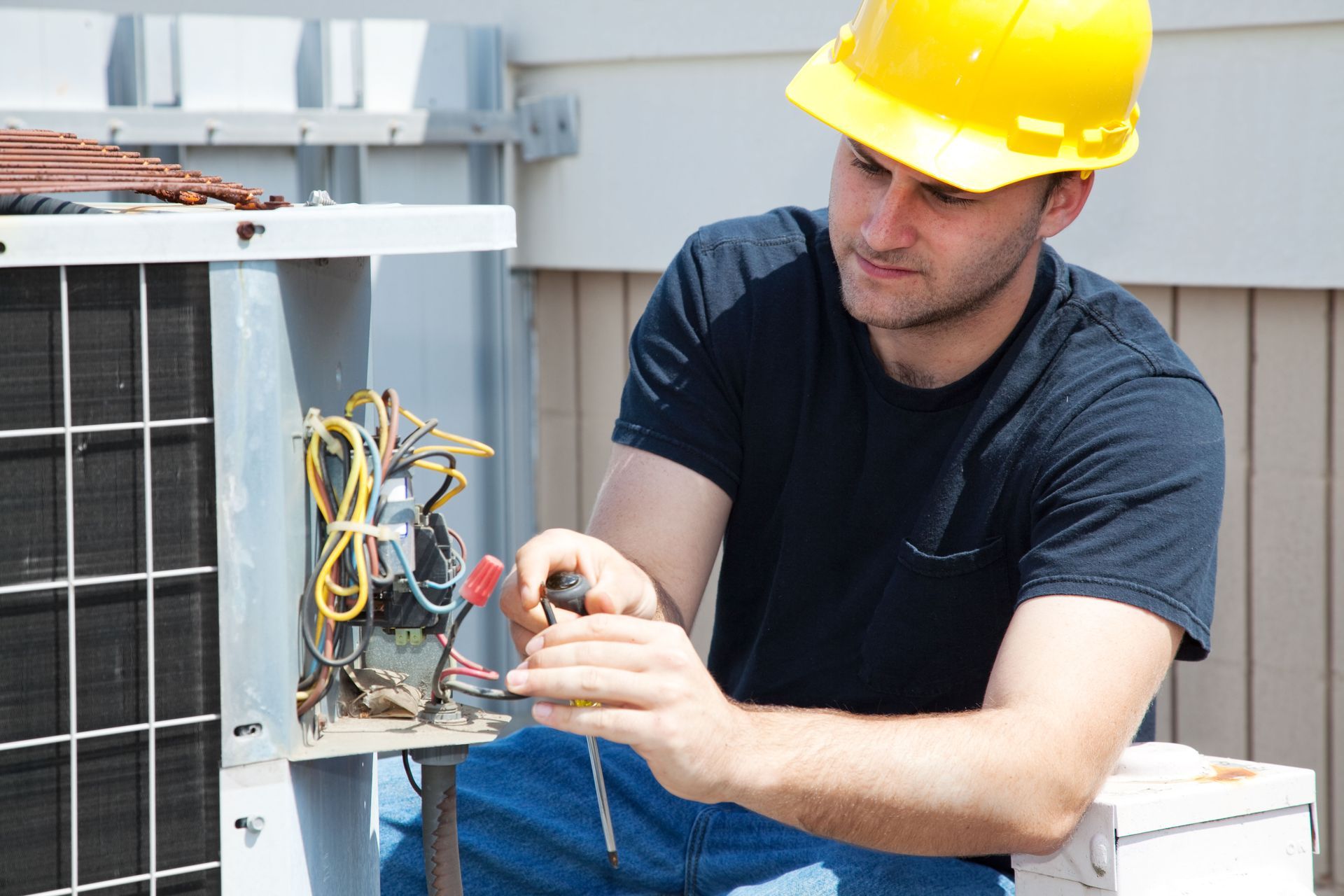
Electrical code compliance is also critical. Working with qualified electricians helps prevent safety risks, reduce inspection issues, and ensure the system performs reliably after installation. Regular inspections after installation can also identify minor issues before they become costly repairs or cause unnecessary downtime.
3. Plan Installation Costs
The cost of installing EV charging stations depends on charger type, unit quantity, trenching, wiring distance, permitting, site preparation, and electrical upgrades. A detailed budget helps prevent unexpected expenses once the project begins.
Ongoing costs should also be included. Maintenance, electricity use, software fees, repairs, and customer support can all affect long-term value. Preventative maintenance helps reduce downtime and extends equipment life.
Incentives and rebates may reduce project costs. Federal, state, local, or utility programs can help make installation more affordable, so property owners should research available options early in the planning process. Comparing multiple installation estimates can also provide a clearer understanding of total project costs and available service options.
4. Choose the Best Location
The location of EV charging stations can influence usage and customer satisfaction. Ideal sites are visible, easy to access, close to electrical service, and convenient for drivers who may spend time shopping, working, or resting while charging.
Accessibility should include clear parking layouts, safe walkways, proper signage, and ADA-compliant spaces where required. A thoughtful layout makes the charging area easier for all users to navigate.
Safety also matters. Good lighting, security cameras, durable equipment, and clear traffic flow can make users feel more comfortable, especially during evening or off-hour charging sessions. Weather protection, where practical, can also improve user comfort and help preserve charging equipment over time.
5. Understand Permits and Rules
Installing EV charging stations can improve property value, attract EV drivers, and support sustainable transportation. According to the Pew Research Center, more than 61,000 publicly accessible EV charging stations were available in the U.S. as of February 2024, more than double the roughly 29,000 stations reported in 2020. This continued expansion highlights the growing demand for reliable charging infrastructure and the opportunity for property owners to support cleaner transportation while meeting the needs of more EV drivers.
Permit applications often require site plans, electrical drawings, equipment details, and accessibility information. Preparing these materials in advance can reduce approval delays and keep the project on schedule.
ADA requirements should also be reviewed during design. Proper parking access, routes, and signage help support compliance while creating a more inclusive charging experience. Staying informed about changing local regulations can also help avoid future compliance challenges.
6. Select Equipment and Providers
Choosing the right provider helps ensure EV charging stations are installed correctly and supported over time. Property owners should compare experience, equipment quality, warranty coverage, maintenance plans, and customer support.
Important equipment features include charging speed, connector compatibility, payment options, network access, remote monitoring, and energy management tools. Smart features can help operators track usage and manage costs more effectively.
A strong warranty and service plan can protect the investment. Reliable maintenance support reduces outages, improves user confidence, and helps the charging system remain dependable as demand grows. Reviewing customer references and previous projects can also provide confidence when selecting an installation partner.
7. Prepare for Long-Term Success
Installing EV charging stations can improve property value, attract EV drivers, and support sustainable transportation. With more than 61,000 publicly accessible charging stations now available in the U.S., property owners have a growing opportunity to contribute to cleaner transportation infrastructure.
Successful installation depends on more than simply choosing equipment. By reviewing electrical capacity, costs, location, regulations, and provider options, property owners can create a charging solution that serves users well today and remains adaptable for the future. Establishing a routine maintenance schedule and periodically reviewing charger performance can help maximize long-term reliability.
8. Plan for Future Expansion
One of the most overlooked aspects of an installation project is planning for future growth. Electric vehicle adoption continues to increase each year, and demand for charging access is expected to rise alongside it. Even if current usage appears modest, designing infrastructure that can accommodate additional chargers later can reduce future construction costs and minimize disruptions. Installing conduit, oversized electrical panels, or additional capacity during the initial project often proves more economical than making major upgrades later.
Businesses that anticipate expansion also position themselves to better serve customers and employees as charging demand grows. Retail centers, office complexes, apartment communities, hotels, and healthcare facilities can all benefit from scalable infrastructure that adapts to changing transportation trends. Thinking beyond immediate needs allows property owners to maximize the long-term value of their investment. Future-ready designs may also increase the property's appeal to tenants and prospective buyers.
9. Consider Smart Energy Management
Modern charging technology offers much more than simply supplying electricity. Many systems include smart energy management features that help property owners monitor usage, schedule charging sessions, balance electrical loads, and generate valuable performance reports. These capabilities improve efficiency while reducing unnecessary energy consumption during peak demand periods.
Load management software can automatically distribute available power among multiple chargers, preventing electrical overloads without requiring expensive infrastructure upgrades. Some systems can even prioritize certain users or charging schedules based on business needs. These intelligent features provide greater operational flexibility while helping control long-term energy costs. Usage data collected through these systems can also support future planning and investment decisions.
10. Evaluate Network Connectivity
Many charging systems rely on internet connectivity for payment processing, software updates, remote monitoring, and user authentication. Before installation, property owners should evaluate the site's Wi-Fi, cellular coverage, or wired internet capabilities to ensure reliable communication between equipment and management platforms.
Reliable connectivity allows operators to receive real-time alerts, troubleshoot issues remotely, update pricing, and monitor charger performance without frequent onsite visits. It also creates a smoother experience for drivers by supporting mobile apps, digital payments, and reservation systems where available. Verifying network reliability before installation helps minimize service interruptions and ensures users have a consistent charging experience. Contact our team at Cummings Inc today and learn more about our charging stations. Contact our team at Cummings Inc today and learn more about our charging station services.